· SOURCES REVIEWED 15 JULY 2026
Read the water before choosing the activity
Start with readiness and crew direction, not a promise made by a photograph or wildlife encounter.
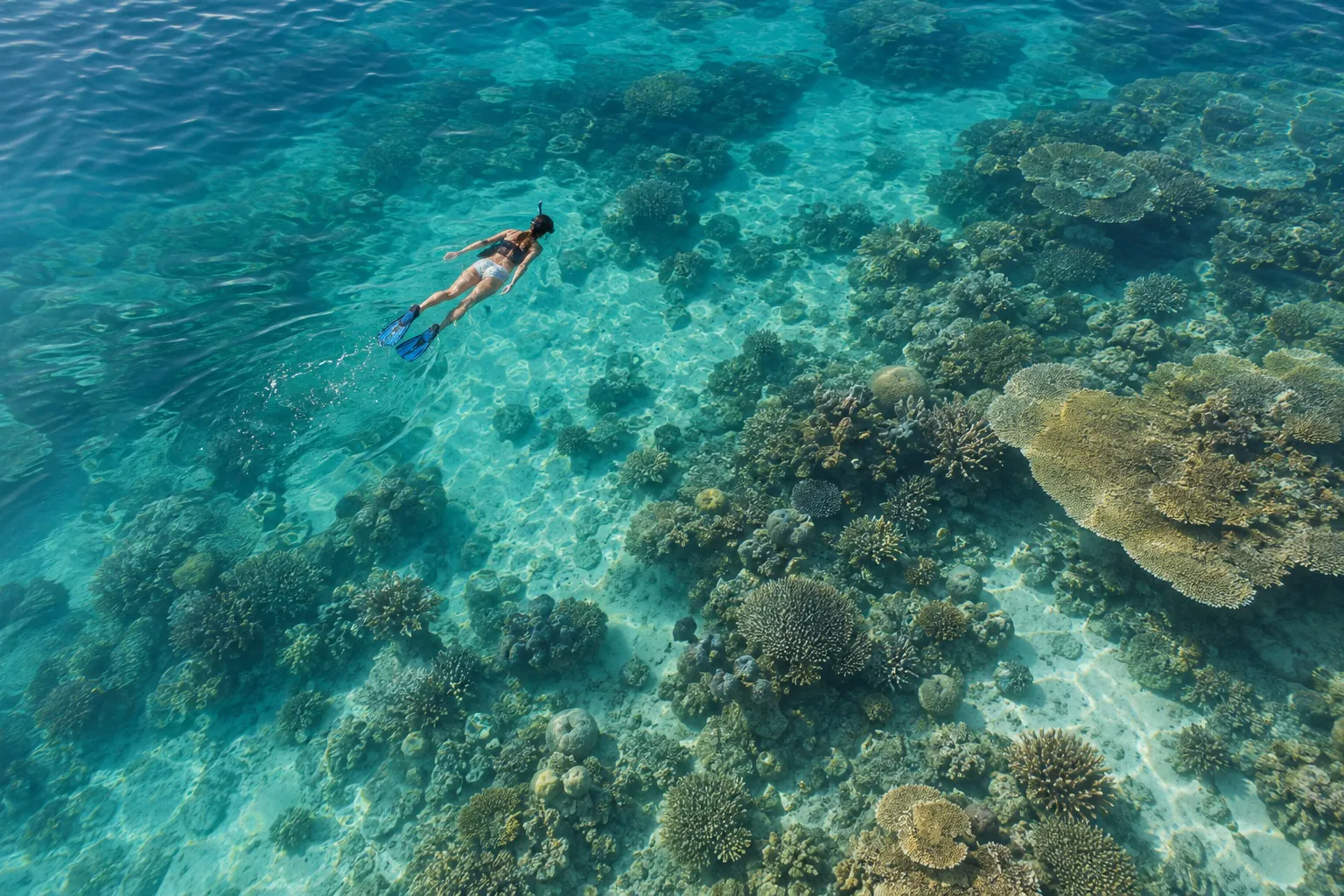
A One-Day Komodo route may include Pink Beach, Taka Makassar, Manta Point, and Kanawa when conditions allow. Swimming ability, currents, visibility, equipment, and the crew decision determine whether you enter the water and for how long.
Compare the character of four water stops
The standard route has four different water contexts: Pink Beach for a beach and water activity, Taka Makassar for a sandbar and shallow water, Manta Point for open water, and Kanawa for a beach and snorkelling. No date guarantees access to every water stop.
Light, tide, currents, waves, visibility, and the captain’s decision can change order or access. Read this list as a readiness guide, not a promise of photographs.
| Stop | Character | What to read |
|---|---|---|
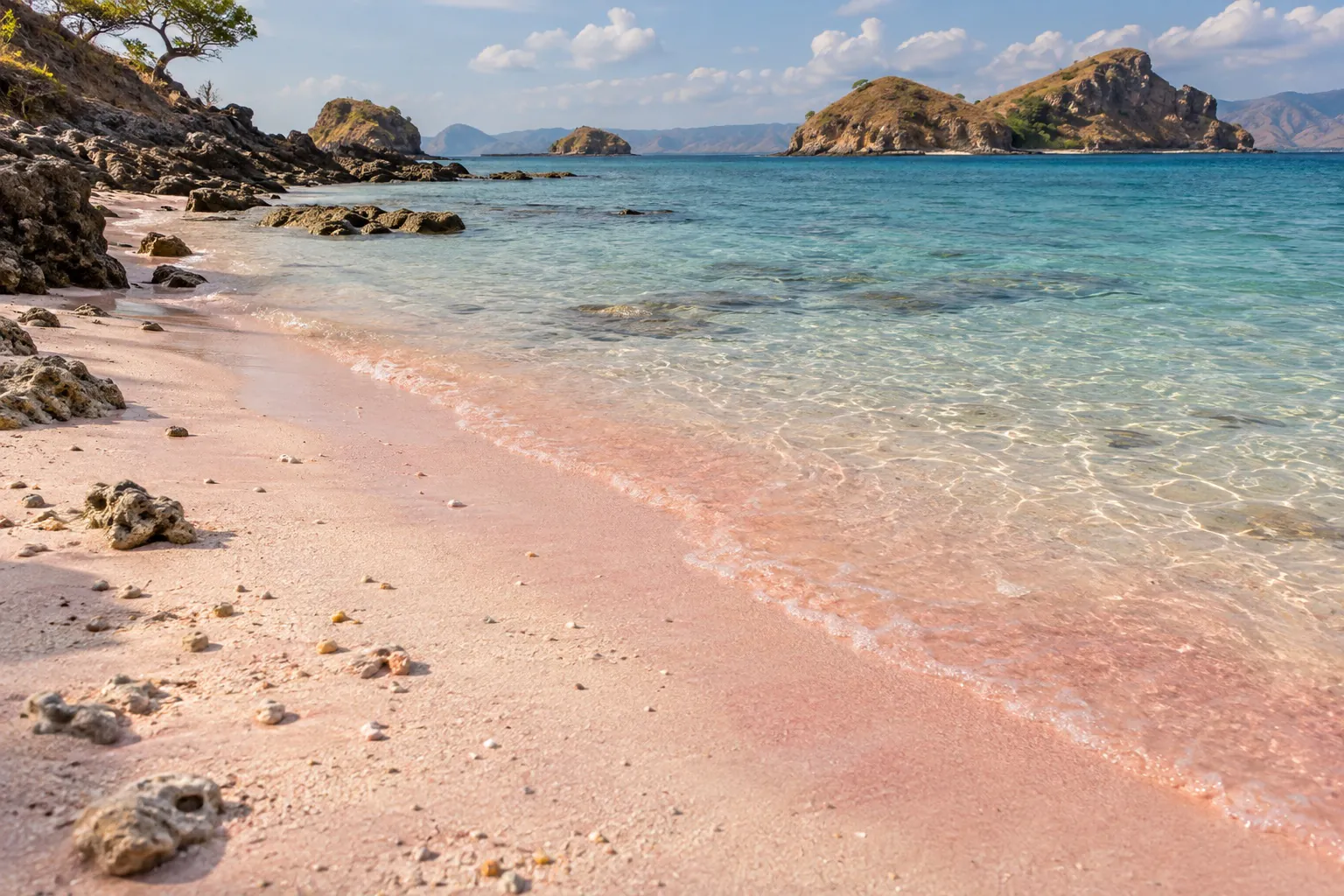
| Pink Beach | Beach and snorkelling | Swimming ability, activity area, and colour shaped by light. |
| Taka Makassar | Sandbar and shallow water | Tide, footing, wind, and boarding access. |
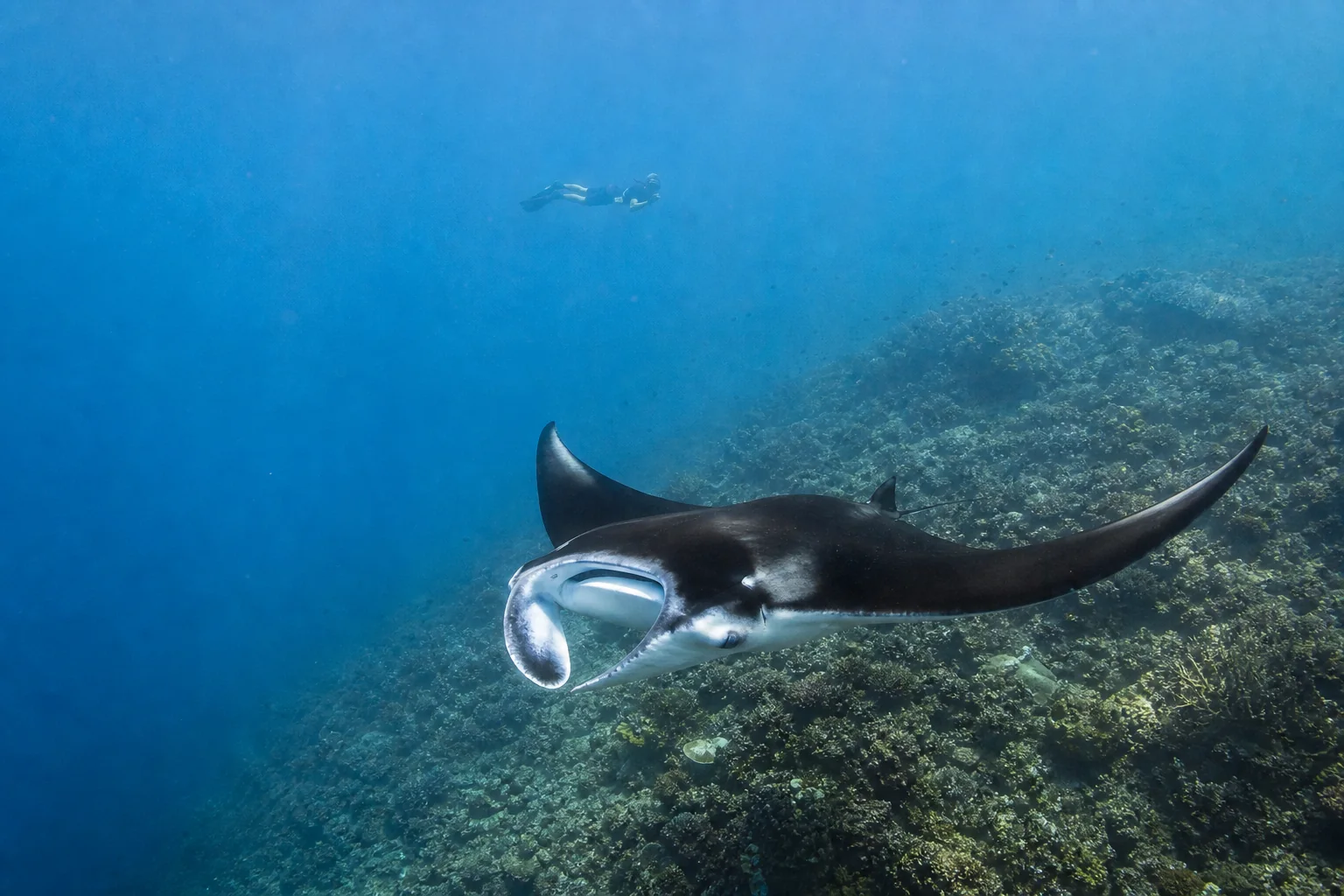
| Manta Point | Open water | Currents, visibility, crew direction, and wildlife not guaranteed. |
| Kanawa | Beach and snorkelling | Waves, beach access, and the crew’s set boundaries. |
Continue readingRead the destination guides
Assess ability before using equipment
Equipment does not replace basic ability or comfort in the water. Be honest if you are a non-swimmer, panic easily, are new to a mask, or have a health condition that affects activity.
The crew decides when to enter, which area to use, and when to return. If you are not ready, enjoying the beach or staying on the boat can be the right decision,not a failed trip.
Understand equipment, entry and exit points, boundaries, and the return signal.
Stay visible, do not chase wildlife, and return when the crew directs you.
Dry off, secure your belongings, drink, and tell the crew if you feel unwell.
Continue readingRead the safety guide
Protect reefs and give wildlife space
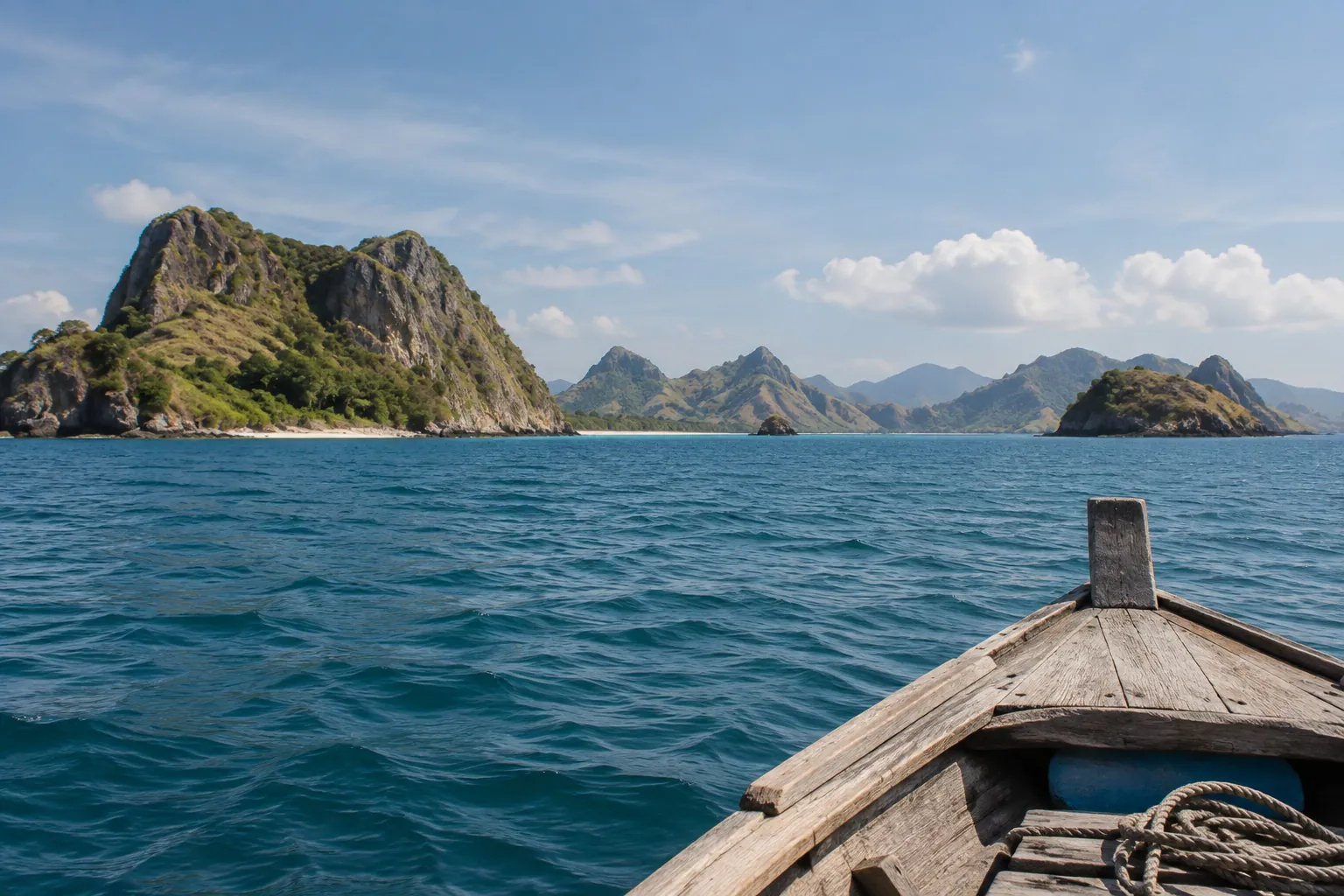
Do not stand on, touch, kick, or remove coral. Do not feed, chase, or reposition wildlife for a photograph. Follow the activity area and distance explained by crew and park staff.
Manta rays and other marine animals move freely. Encounters are never guaranteed, and not seeing wildlife is not a reason to ignore conservation protocol.
- Keep your buoyancyUse calm movements and never use a reef as a foothold.
- Keep distanceLet wildlife choose its own direction and distance.
- Carry waste backBags, bottles, and small items stay out of the water and beach.
Continue readingRead the official visit protocol
Know when to stay on the boat
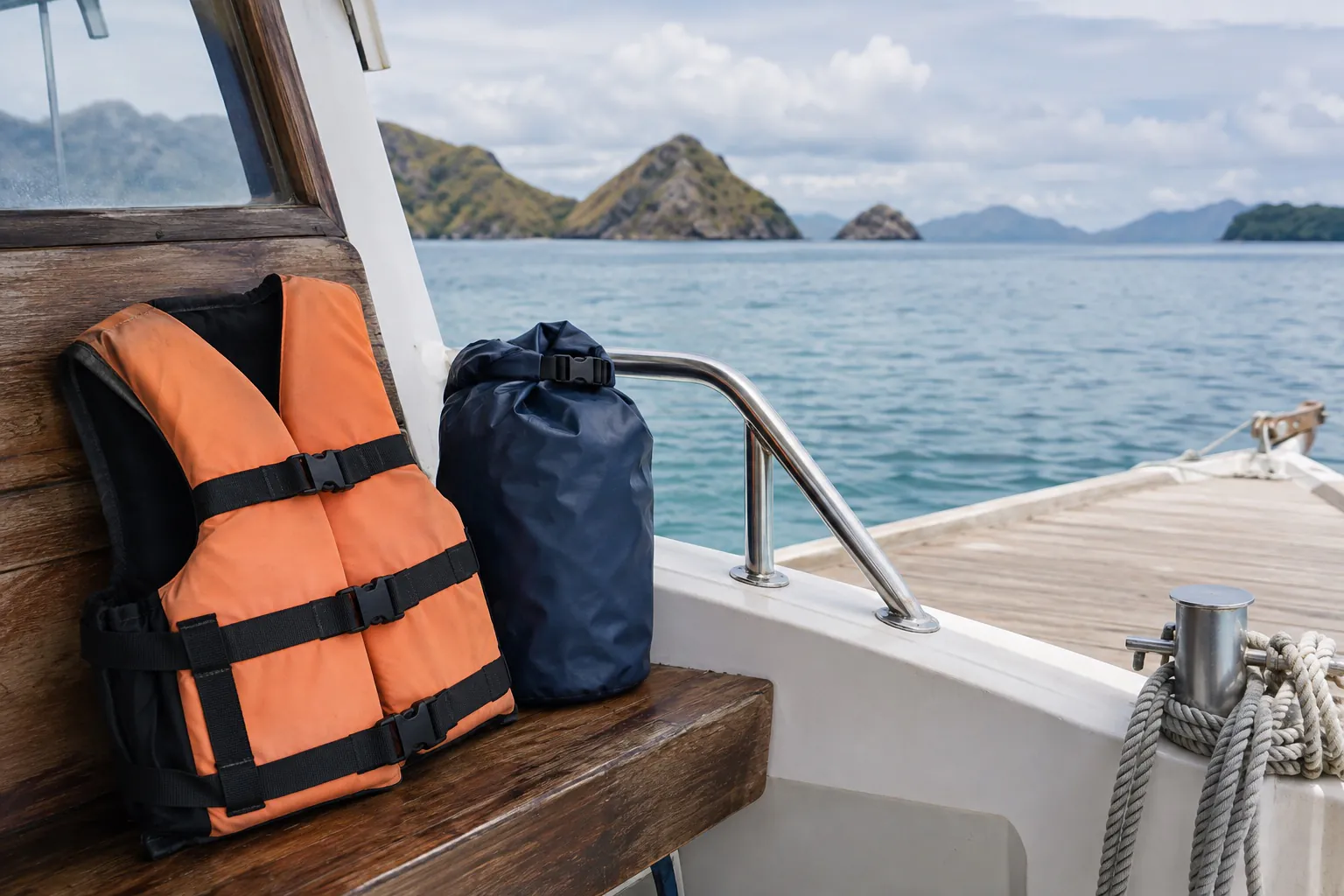
A current or wave can feel different once you enter the water. Choosing not to enter, returning early, or following an alternative activity is part of safety.
Ask the crew to explain the actual conditions, duration, and meeting point. Do not compare today’s decision with another traveller’s video.
- Listen to the briefingWait for the area, signal, equipment, and time-limit explanation.
- Check yourselfDo not enter if your ability or condition does not support it.
- Stay with your buddyRemain visible to your companion and crew during the activity.
- Return when calledThe crew signal overrides the wish to stay longer.
Continue readingOpen the preparation guide
Pre-departure snorkelling checklist
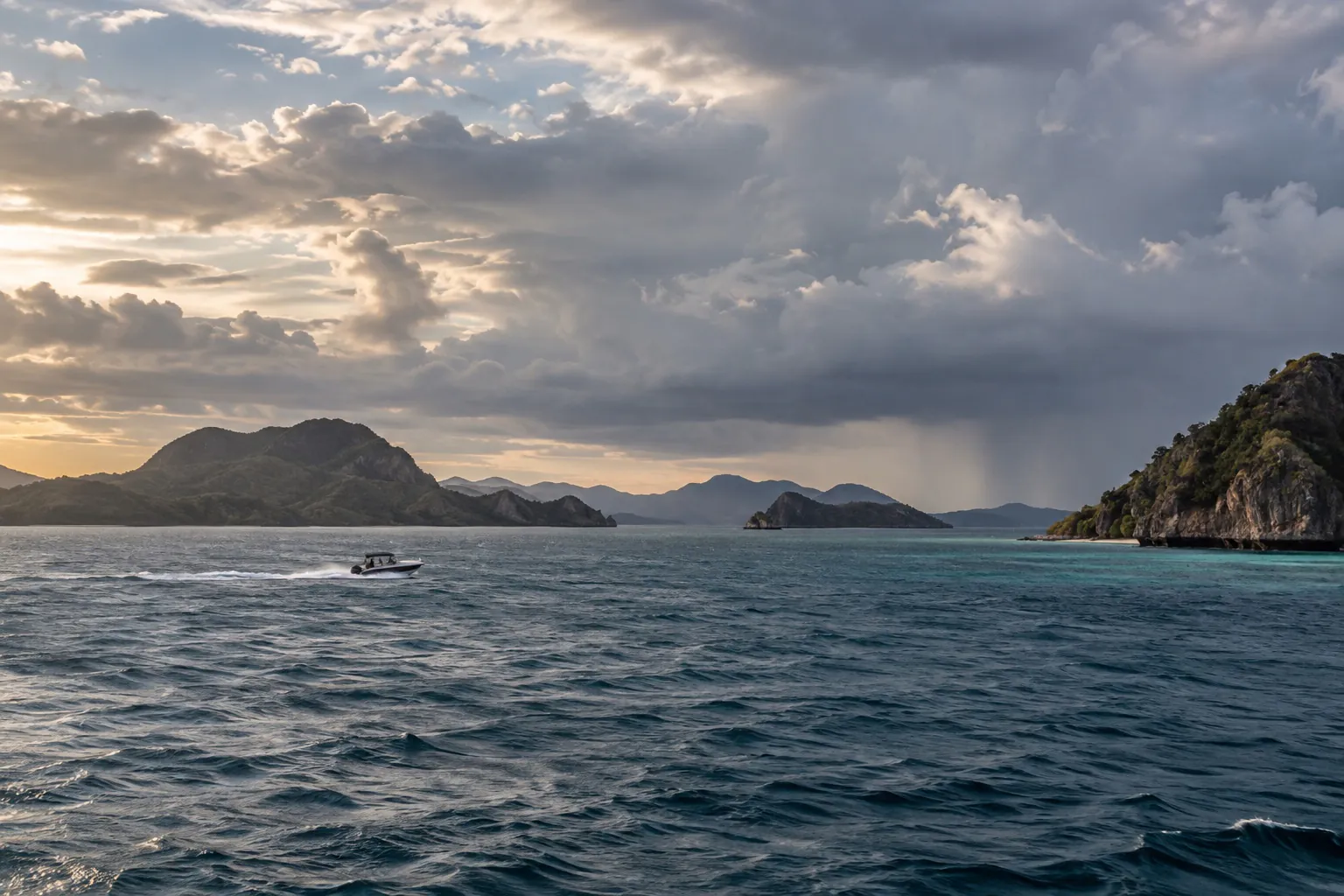
Use these five questions to align your group and operator before paying.
- Set ability levelsRecord swimmers, guests who need support, and guests who will stay out of the water.
- Ask about equipmentRequest the equipment scope and sizes available for your date.
- Read conditionsCheck the weather source, then wait for the day-of crew decision.
- Respect the areaBe ready to follow boundaries and park conservation protocol.
- Accept nature’s resultSnorkelling and wildlife encounters depend on conditions, not promises.
Continue readingStart a trip enquiry
Water and conservation references
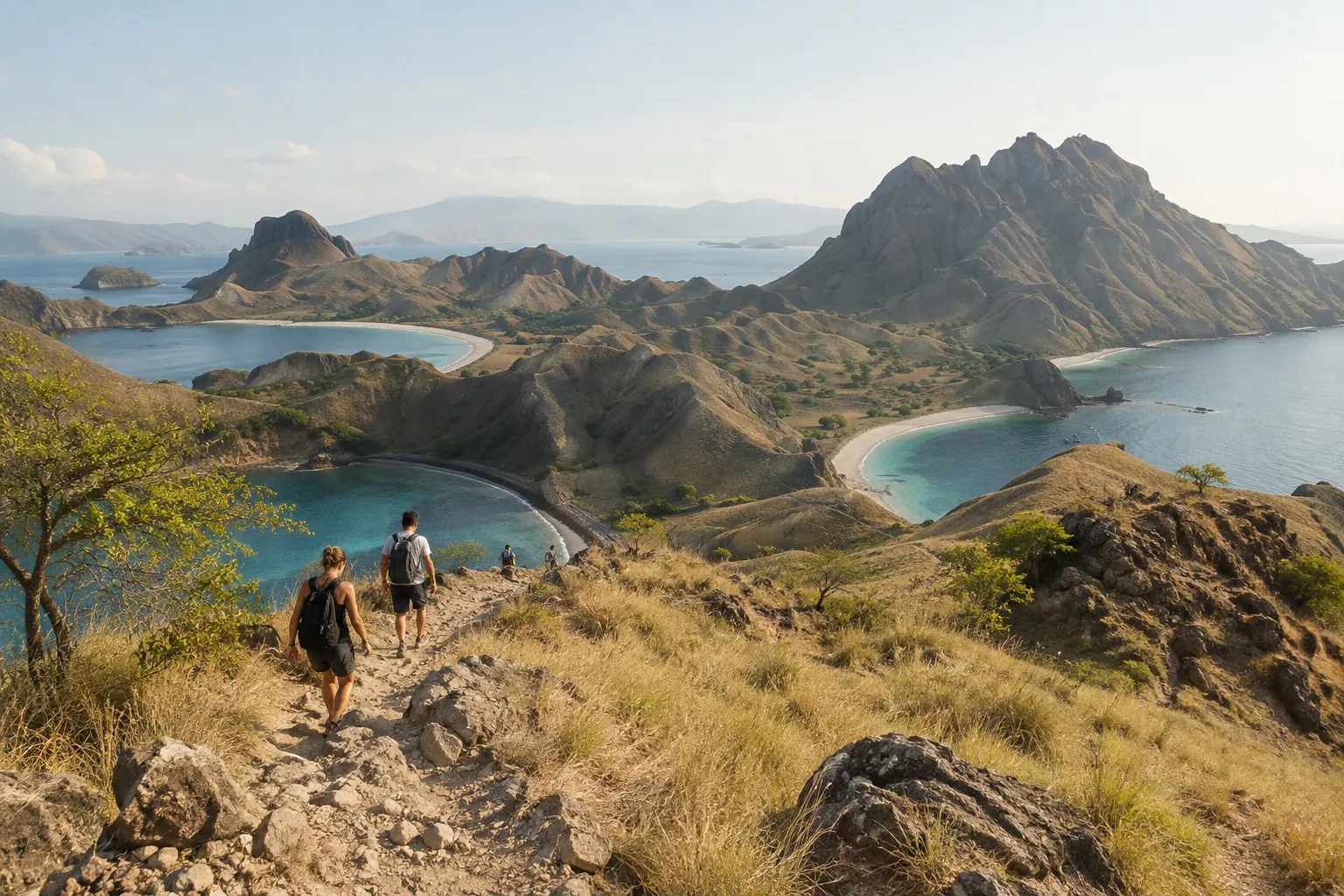
Sea conditions change quickly. Use the forecast and official protocol as context, then follow the crew briefing on departure day.
- Nature-visit protocol · Komodo National Park Authorityofficial park authority · 2026-07-15
- Komodo National Park waters forecast · BMKGofficial weather · 2026-07-15
- One-Day Komodo route · Oceidon Cruiseoceidon internal public · 2026-07-15
SOURCES REVIEWED 15 JULY 2026