· SOURCES REVIEWED 15 JULY 2026
Safety starts before the boat leaves
Safety is not an absolute slogan; it is built from conditions, briefings, equipment, guest readiness, and operational decisions.
No sea journey can be guaranteed risk-free. Read One-Day Komodo as a sequence of decisions: sea and weather conditions, trekking and water readiness, crew and ranger briefings, correct equipment, and the captain’s authority to change route or activity for safety.
Sea, land, and water risks meet
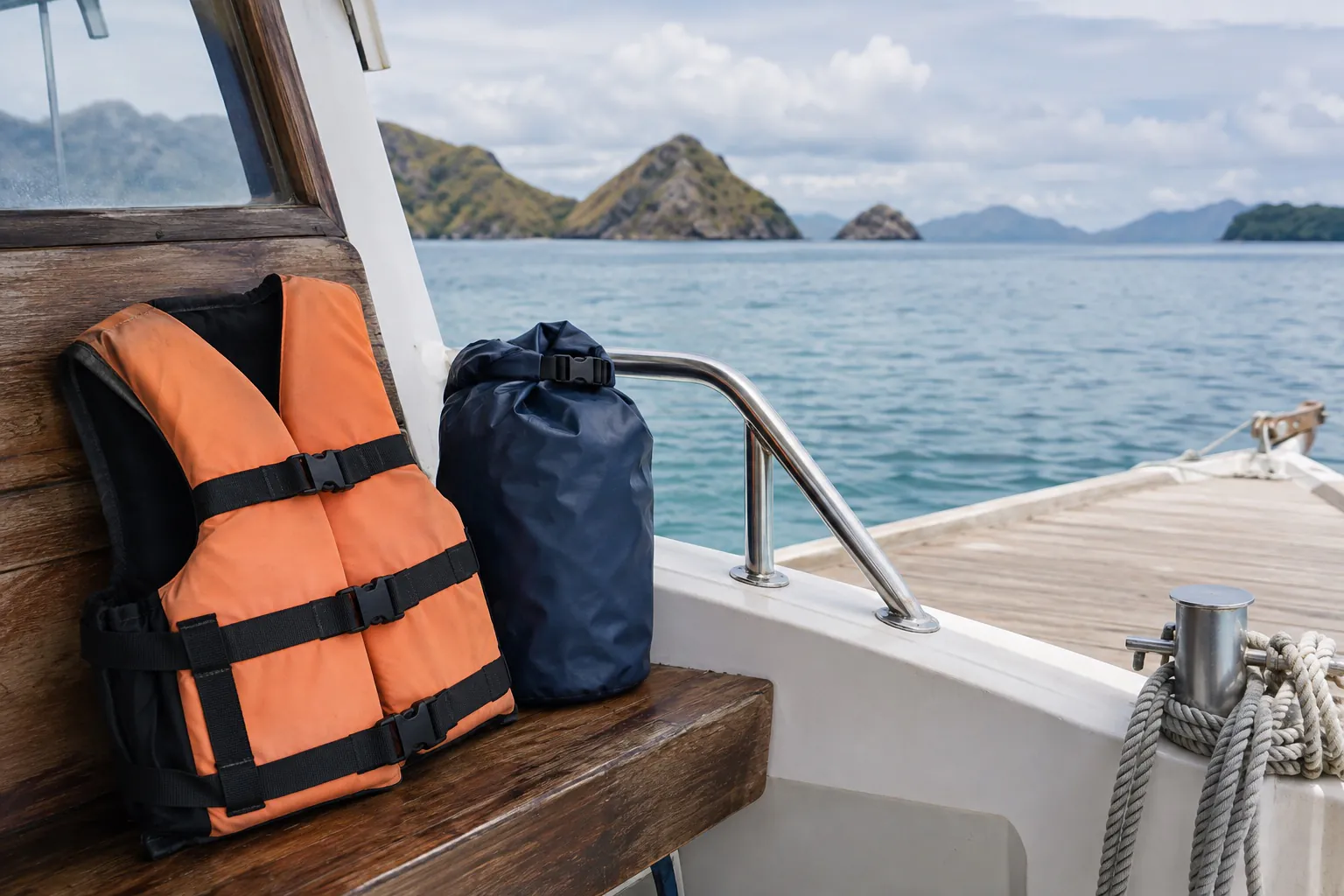
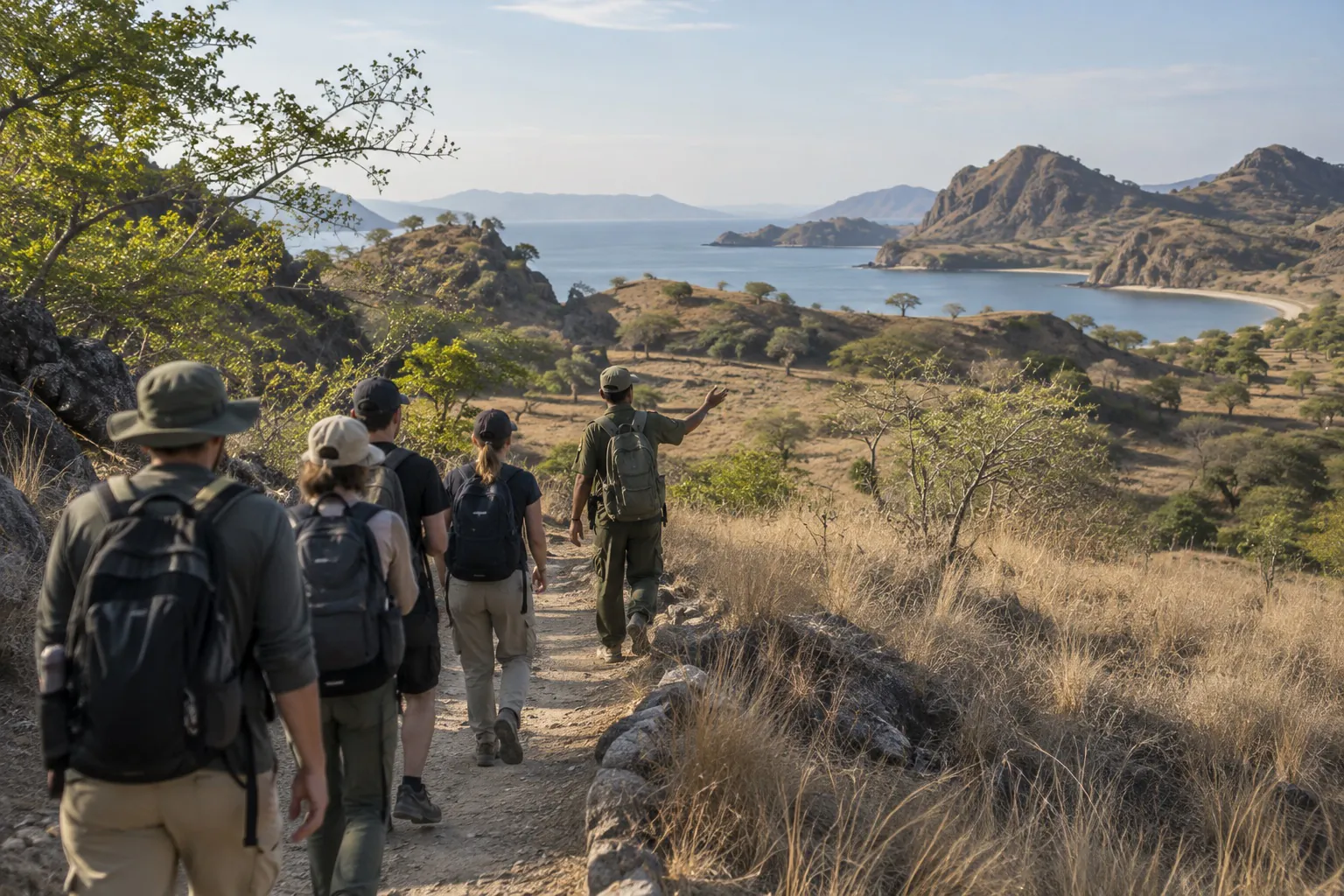
At sea, wind, waves, currents, visibility, and boat transfers affect comfort and access. On land, uphill paths, heat, uneven surfaces, and wildlife habitat require a different kind of readiness. In the water, ability and crew direction set the main limit.
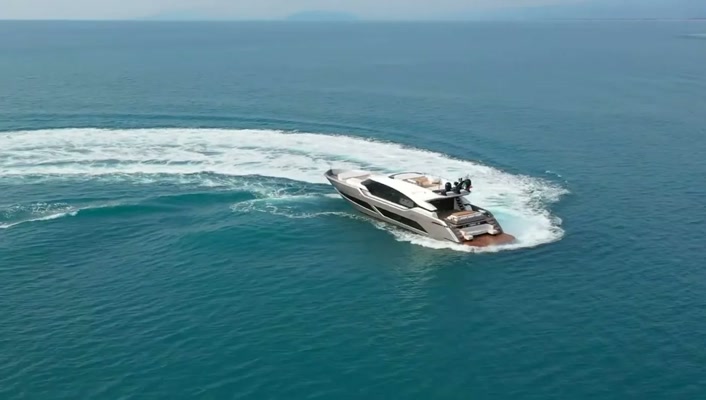
Risk does not disappear because a boat looks fast or a package lists many destinations. A good operator explains limits, how risk is reduced, and who decides when conditions change.
- SeaWeather, waves, currents, tide, and distance between stops shape the route.
- LandTrekking, heat, footing, and ranger rules shape how you move.
- WaterAbility, equipment, zones, buddy checks, and return signals must be clear.
Continue readingCheck the BMKG sea forecast
Seven questions to ask before paying
These questions do not replace a safety audit, but they help ensure the conversation produces usable detail. Request written answers and keep the latest version.
- Who is the operator and official contact?Check the brand, named legal entity, and confirmation channel.
- Which boat operates?Ask which boat is actually promised for your date and its sellable capacity.
- What does the briefing cover?Request the briefing scope, activity limits, and who leads in the field.
- What happens when conditions change?Confirm route or activity may adjust for safety without a guaranteed result.
- What is paid separately?Separate trip price, park tickets, personal insurance, and other spending.
- When is final status shared?For Open Trip, final status is shared by 17:00 WITA one day before departure.
- How are personal needs handled?Share children, mobility, health, or seasickness needs before paying.
Continue readingRead how to choose an operator
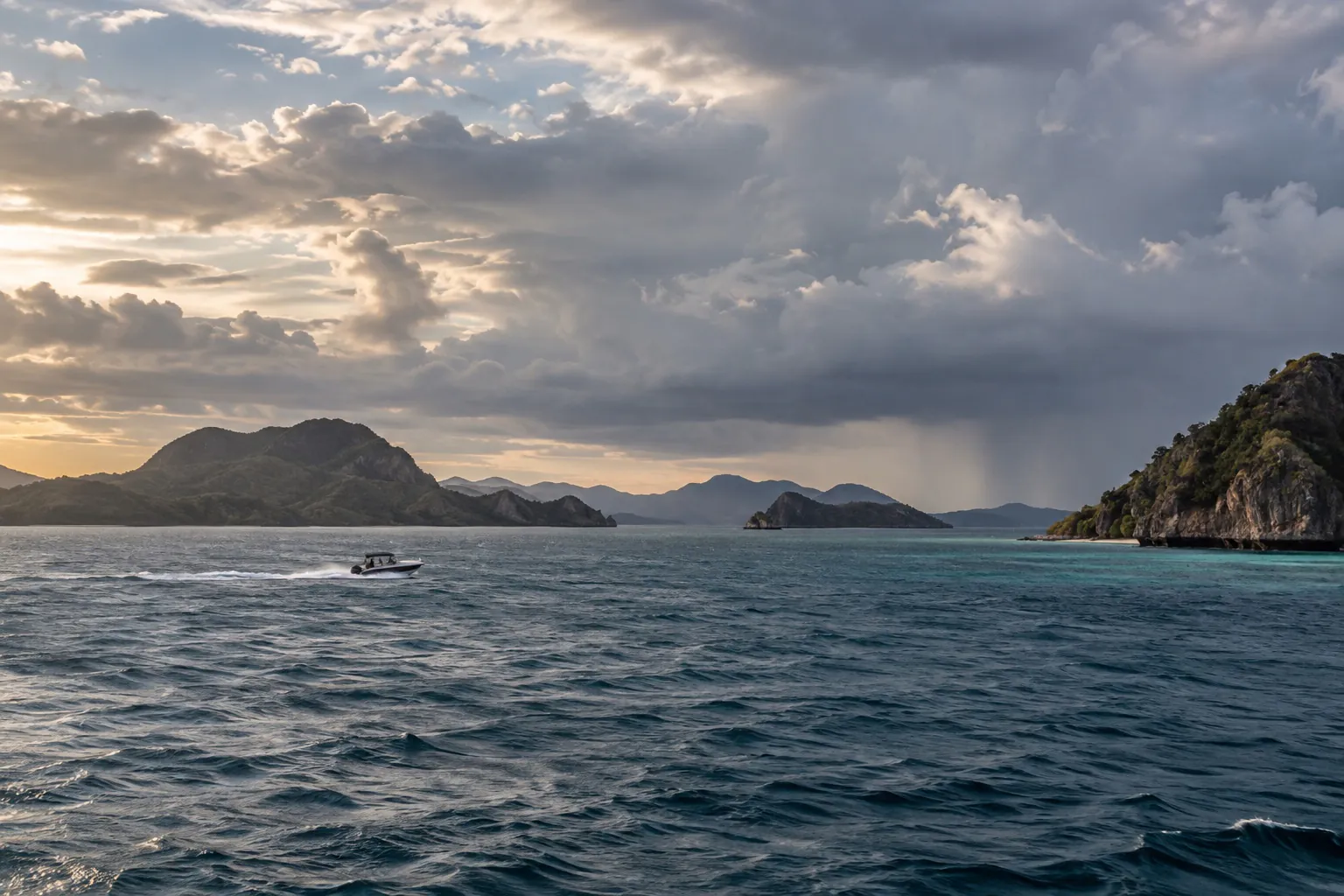
Read weather without deciding alone
The BMKG forecast gives context on wind, waves, currents, and water conditions. Forecast numbers are not an automatic departure permission because the decision also considers actual conditions, the park, the vessel, and operating authority.
Use the forecast to prepare clothing, medicine, and expectations. Do not use one screenshot as a guarantee that every stop will be accessible or comfortable for every guest.
Information for preparation, not a promise of the result.
Crew explanation translates actual conditions into activity limits.
The captain and authorities can change order, access, or activity.
Continue readingOpen the weather and change guide
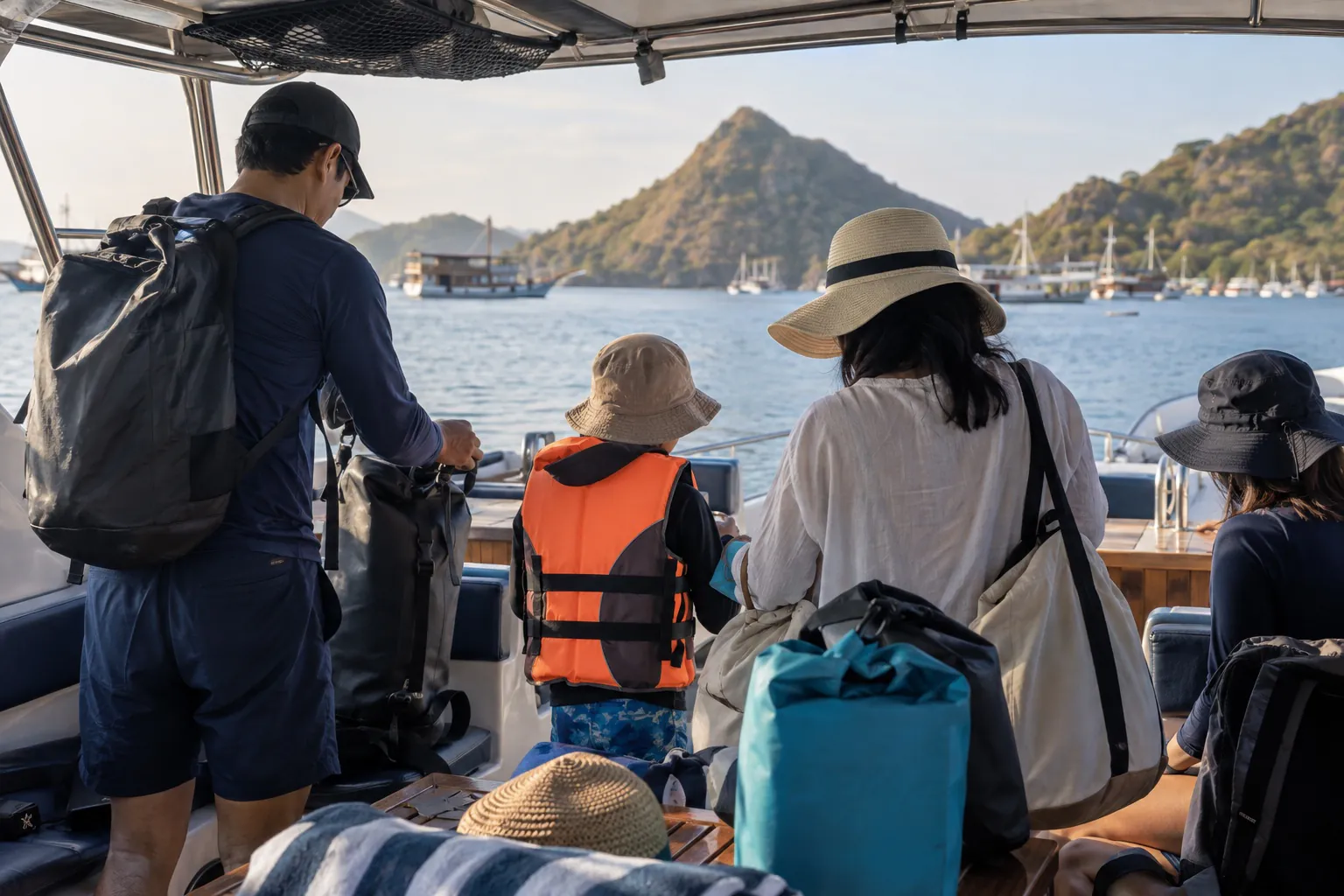
Personal readiness is part of safety
Honesty about your condition makes a safer decision. Seasickness, fatigue, dehydration, injury, allergy, or limited mobility should be discussed before departure, not after everyone is on the boat.
Choosing not to swim, slowing a trek, or stopping on crew instruction does not ruin the group’s experience. Safety outweighs the wish to reach one stop or photograph.
- Share your conditionMention health, mobility, children, or water ability during the enquiry.
- Bring personal needsPack regular medicine, sun protection, water, and suitable clothing.
- Listen to your bodyRest or return to the boat when discomfort starts.
- Follow directionRangers and crew hold field context not visible in promotion.
Continue readingSee the pre-booking checklist
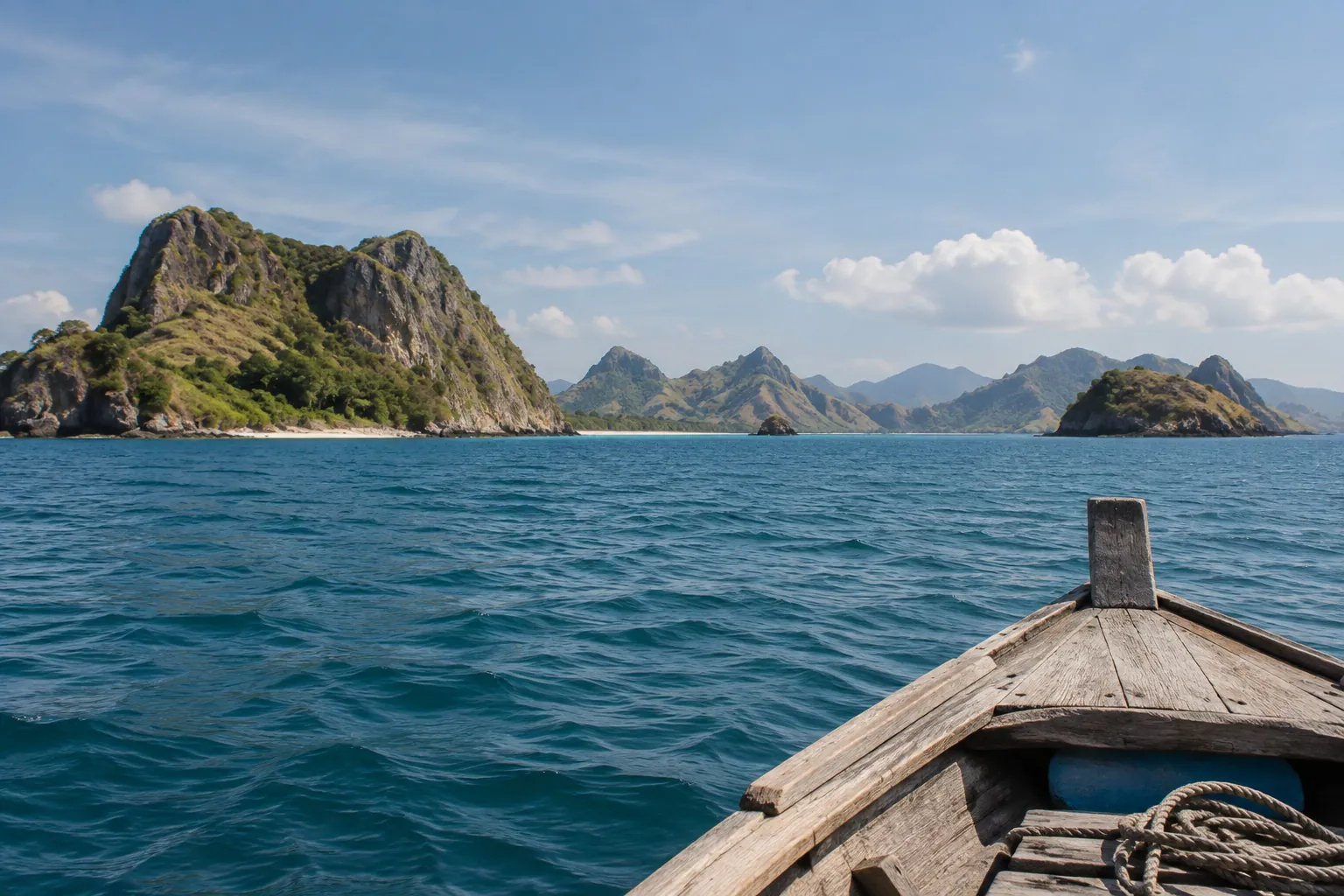
Pre-departure safety checklist
Use this list to check whether the operator’s answers are clear enough for your group.
- Identity is clearYou know who receives payment and sends confirmation.
- Vessel is clearBoat, sellable capacity, and service model are written.
- Activity limits are clearArea, equipment, briefing, and return signal are explained.
- Personal condition is sharedChildren, mobility, health, or seasickness are not hidden.
- Route can changeThe group understands safety outweighs stop order.
Continue readingContact the team with full context
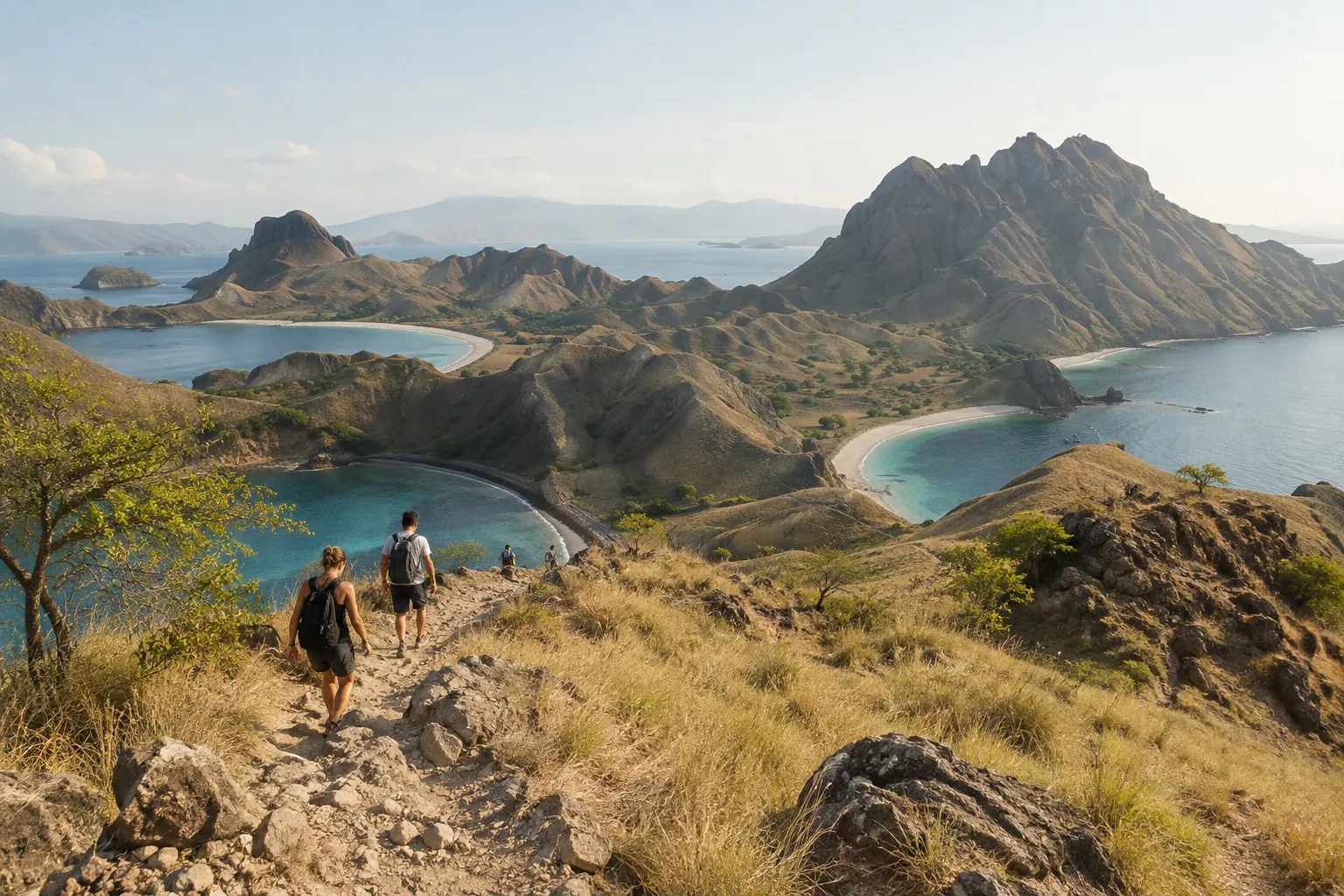
Safety and conditions references
Use the park protocol and official forecast as context. Date-specific procedure details should be confirmed with the operator before payment.
- Nature-visit protocol · Komodo National Park Authorityofficial park authority · 2026-07-15
- Komodo National Park waters forecast · BMKGofficial weather · 2026-07-15
- About Oceidon Cruiseoceidon internal public · 2026-07-15
SOURCES REVIEWED 15 JULY 2026